
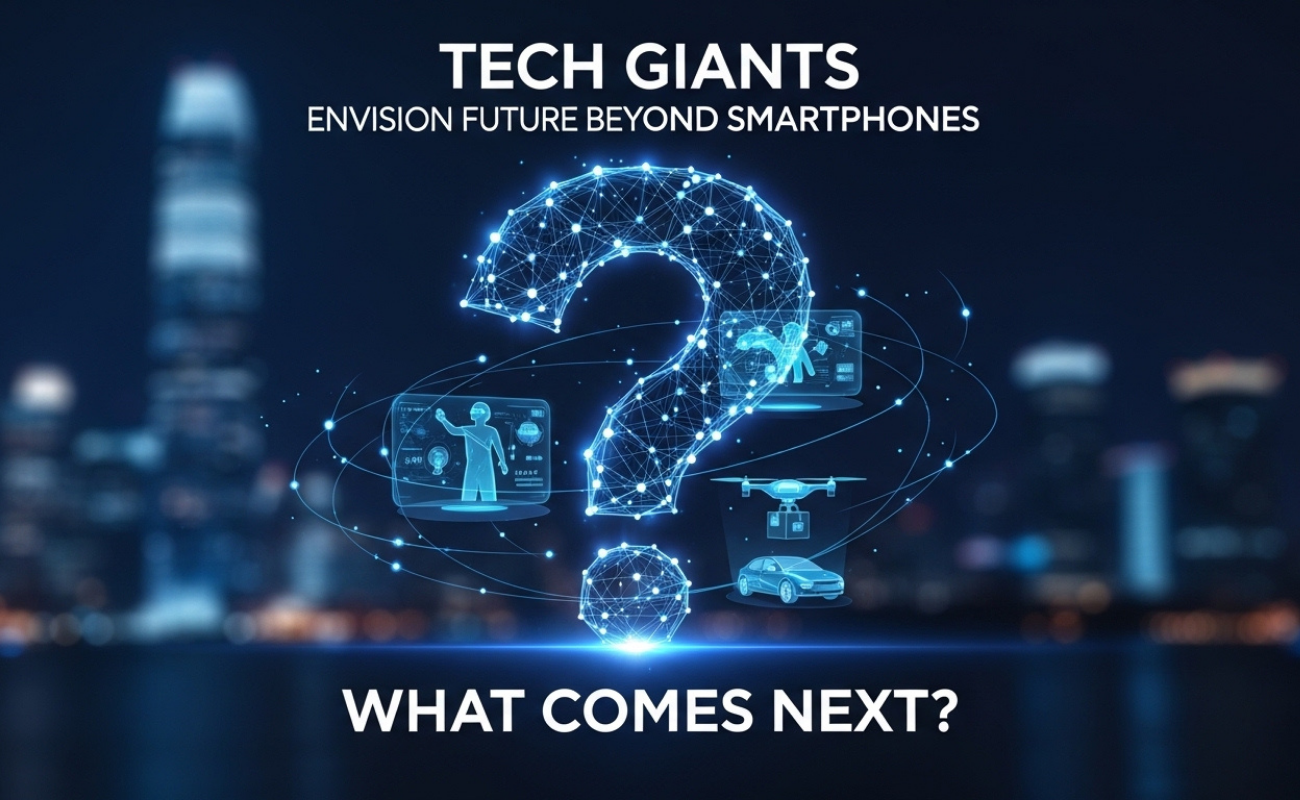
The smartphone that before ruled personal computing is at its end as the world’s god beyond 2025. Now tech giants are dreaming of a future beyond smartphones, making unheard-of bets totaling over $150 billion on augmented reality (AR) glasses, with artificial intelligence powered by companions and brain-computer interfaces (BCI), and ambient computing ecosystems. Now the main goal of these technologies is to enable users to escape the limits of the screen and provide a more perfect and useful means of participation for consumers in daily life.
Increasing by more than the smartphone sector, at 6.4% in 2024, it is powered by the multiple capabilities of artificial intelligence (AI) and is expected to represent a $3 trillion opportunity for AR’s visual sector, which is driven by the post-smartphone technology. Based on the latest research and models, this blog delves into the innovations, challenges, investments, and future visions that are fueling this shift, illustrating how tech giants see a future post-smartphones.
Key Pin Points
The future of tech beyond smartphones is being dreamed of by an investment of more than $150 billion in platforms, including AR, AI, BCI, and ambient computing technologies.
There are numerous problems with the smartphone market, driving the demand for hands-free and privacy-oriented solutions that meet the needs of consumers.
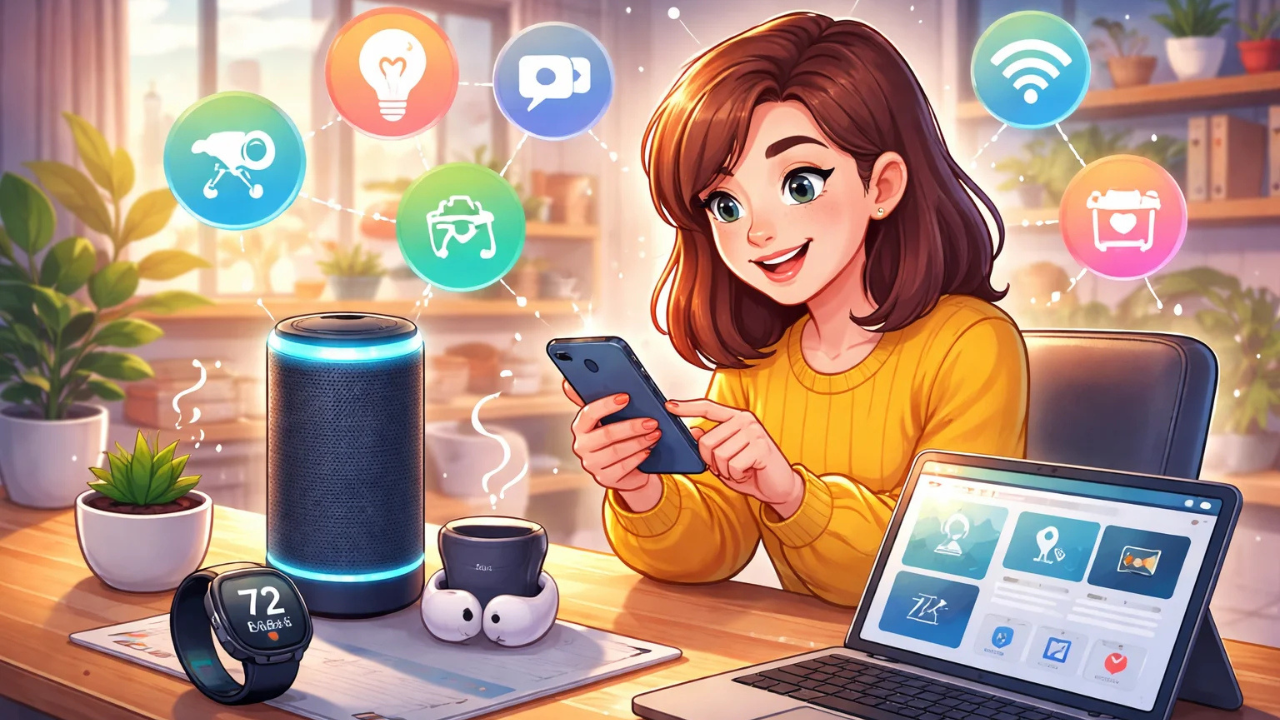
Emerging technologies that supplant or augment smartphones are being developed by key players such as Meta, Neuralink, OpenAI, Google and Apple.
There are numerous issues, such as ethics, privacy and battery life, that must be addressed for the successful adoption of these new technologies.
This $3 trillion market opportunity is estimated based on economic value and the impact on global GDP when the technologies become a reality.
Why is there a need to move on from smartphones?
Smartphones are everywhere. There’s pretty much everyone who has one. But, namely, it is that very thing that is a problem. It’s difficult to sell additional copies of something when everyone already has a copy. Smartphone accessories saw a 23% decrease in investment in 2024. Old mobile technology is a thing of the past as companies get bored with it, with the market already saturated.
Meanwhile, people crave for something different. Some 68% of users state that they want hands-free technology, meaning they do not have to look at a screen throughout the entire day. Users want the technology to function without a lot of noise and without interfering with their work.
So the tech giants are pursuing a new dream. They see the post-smartphone opportunity as big as $3 trillion by 2030. A huge opportunity and everyone wants a piece of it.
What’s Coming Next?
Seeing the World Differently, AR Glasses
Augmented Reality (AR) Glasses provide digital information directly in front of your eyes. Rather than peering at your smartphone, you simply gaze about you, and useful information will display in your sight.
Since 2019, Meta has invested more than $50 billion in this technology. They already have a million Ray-Ban smart glasses sold. Now they’re working on the more complicated glasses that feature holographic displays. Google is also working on a similar project, collaborating with Samsung and Qualcomm on glasses that will allow users to translate languages live, and navigate without having to reach for a phone.
Apple is also developing AR glasses which are expected in 2026 or 2027. It is suggested that Apple’s CEO Tim Cook dedicates about 60% of his time to AR projects. He says AR Glasses will become the ultimate iPhone replacement.
A.I. that lives around you
Another major trend is ambient AI, or the use of artificial intelligence that isn’t contained within a single device, but rather, is ubiquitous. What if a room came to life and knew what you wanted? Your music adapts, your lights switch, your tasks organize — with no button pressing required.
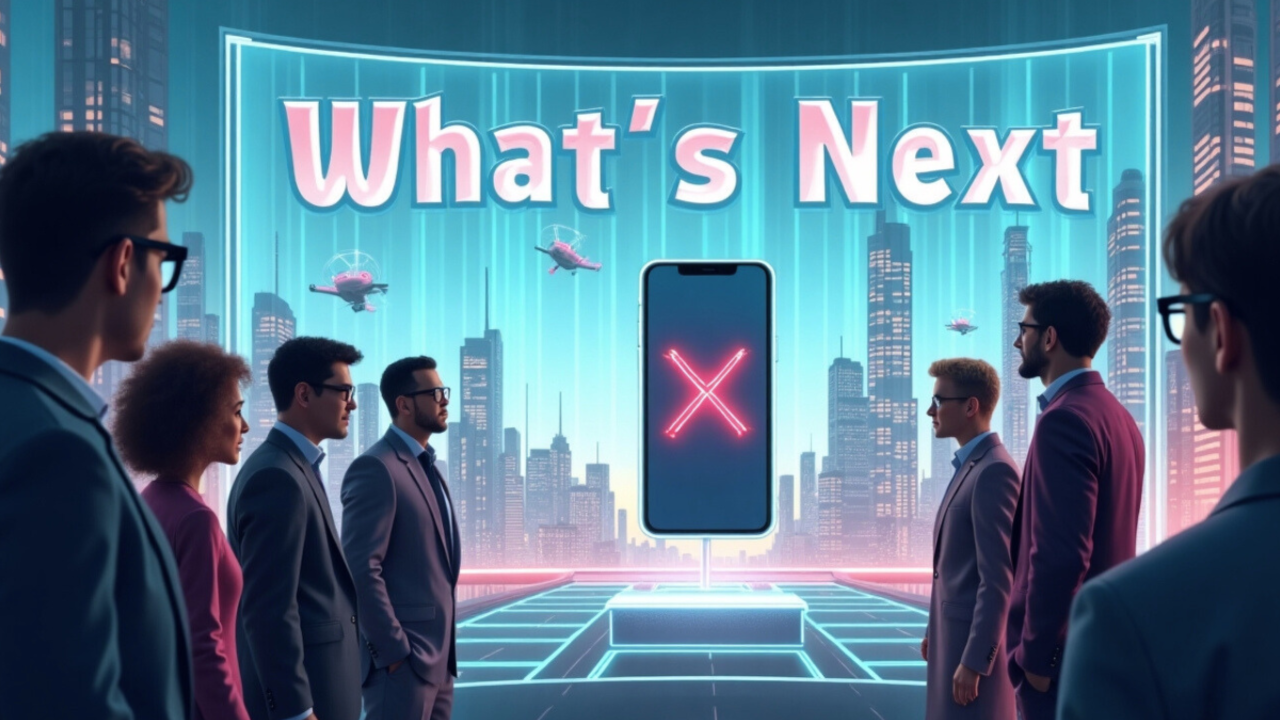
It is an area where OpenAI is putting a lot of money. In 2024, they just spent $3.4 billion in this area. Their aim is to bring AI to life so that it’s as natural and as useful as electricity or running water — there all the time and serving a purpose all of the time.
Google is promoting the same concept through its Project Astra, a virtual reality tool for the AR glasses using AI to interpret your environment through your speech and gestures. Microsoft is developing similar systems for workplaces and manufacturing facilities on its cloud platform.
How to bring the brain and computer together in one.
Brain-Computer Interfaces: The Bold Frontier.
It sounds like something out of a Sci-fi movie, but it’s not a fantasy. Brain Computer Interfaces (BCIs) are links between the human brain and a digital system. Elon Musk’s company Neuralink has already implanted a chip in a human patient. Their device features more than 1,000 minuscule electrodes and has been used with 99.2% accuracy by patients to control computers with their thoughts.
The BCI market was worth $2.3 billion in 2024 and is expected to grow to $24.7 billion by 2030. At the moment, the emphasis is on a person with a disability, such as a paralyzed person operating a device with his or her mind. In the future, though, this technology may enable anyone to communicate with digital systems without the need for any physical apparatus whatsoever.
Read More: BlogAngle.org Review: Explore the Ultimate Guide and Tips with this Platform
Key Players and Their Plans
Meta is investing in cheap, fashionable, comfortable augmented reality glasses, rather than a device fastened to a face.
Google’s Android is developing an open platform for AR devices, and a lot of companies will be able to develop on top of it, just like they did with smartphones.
Apple is working on integrating AR glasses seamlessly with existing iPhone, Mac and Apple Watch devices. They take a “need to make it easy for people that are already in their system” approach.
Neuralink’s efforts are focused on the most direct human-computer interface, in which the company is developing methods to connect memory, sensory input and brain implants by 2027.
Rather than hardware, OpenAI is trying to make AI “smart enough” to be everywhere — in the glasses, in the home, in the car, at work.
Microsoft is targeting companies; its HoloLens headset and cloud services will facilitate training, design and remote work for businesses.
The Real Challenges
This is not easy. Significant issues remain that must be addressed.
Battery Life is a major factor. Battery life is the primary worry for wearable devices among approximately 89% of users. The lifetime of current AR glasses is too short to wear them all day.
Another big consideration is privacy. Who owns the data if you have glasses that report on everything you see, or a chip in your brain, that’s plugged into the Internet? Approximately 74% of people are concerned about brain interfaces’ privacy.

Comfort and social acceptance are also important. During trials, 34% of people did not like wearing AR Glasses in public. Most people won’t use a device unless it looks and feels normal.
Cost is also a problem. The Apple Vision Pro headset is $3,499 and the 12% who have bought them actually use them every day after the initial hype. It will have to become much cheaper for the consumer to use this technology.
What the Timeline Looks Like
Early versions of these devices will be available to consumers in 2025-2026. They will be smarter and more prevalent, particularly in the workplace, from 2027 to 2028. As far as 2029 and 2030, there will be approximately 200 million people using the post-smartphone technology regularly.
It won’t annul the existence of smartphones. As smartphones have superseded desktop computers in daily usage over the last decade, AR glasses and AI systems could take the place of smartphones in the future. Your pocketed screen could one day replace your headset — and ultimately, maybe even turn into a thing.
The future is not so far away.
Final Word
The smartphone revolution is not over, it’s changing. The technology giants are developing something more than just a device replacing another device; they’re making a whole new human-technology interaction. Whether AR glasses will overlay information on the real world, AI will be working to be a silent force around you, or chips will directly access the brain, the next ten years will usher in changes greater than what the smartphone generation could have ever hoped for.
But technology is not the end-all and be-all. But privacy should be respected, prices should be lowered and people should really feel comfortable using these new tools in their day-to-day lives. But it is the companies solving these problems – not just the technical ones – that will define what’s next for the smartphone.
The opportunity is indeed $3 trillion. But more so, the opportunity to make everyday life truly simpler, more connected and more human is even greater. The race has already begun.
Read More: DigitalConnectMag.com: A Complete Guide to the Digital World’s Modern Tech Magazine
