

Stainless steel is very stylish but it will leave all fingerprints and smudges visible. So, if you’re asking yourself how to clean stainless steel appliances without leaving streaks, it’s easy. A soft cloth and a basic cleaner you have at home is all that is necessary.
Various brands are made of different types of steel and therefore may not work on each other’s appliances. This article provides the fundamentals and three solid methods and quick hacks for difficult marks.
How to Clean Stainless Steel Appliances Step by Step
It’s important to know the right technique before you choose a cleaner. It’s as important as what you make to make it the right way. For a smooth, shiny finish follow the four following steps.
- Grab a soft cloth. The best to use is a microfiber cloth. Cleans dirt and doesn’t scratch.
- Place the dusting cloth on the cleaner. Avoid spraying directly onto appliances. To prevent streaks, smudges and fingerprints, apply it to the cloth.
- Wipe with the wood grain. Stainless steel is divided into fine lines which are aligned in one direction, or grain. Those lines can become clogged with dirt. Cleaning in the same direction helps to clean better and make it look cleaner.
- Buff right away. Dry buff with 2nd dry cloth before it dries on its own. Work in small sections, up to down and left to right. This will be more useful if your appliance is extremely dirty.
Tip: First test the new cleaner in a hidden area such as the back of a door.
What’s the Best Way to Clean Stainless Steel?
Not all cleaners will have experience in cleaning every type of appliance and you might have to try a few. These are three easy ways! Each of them is ideal to use with a microfiber cloth.
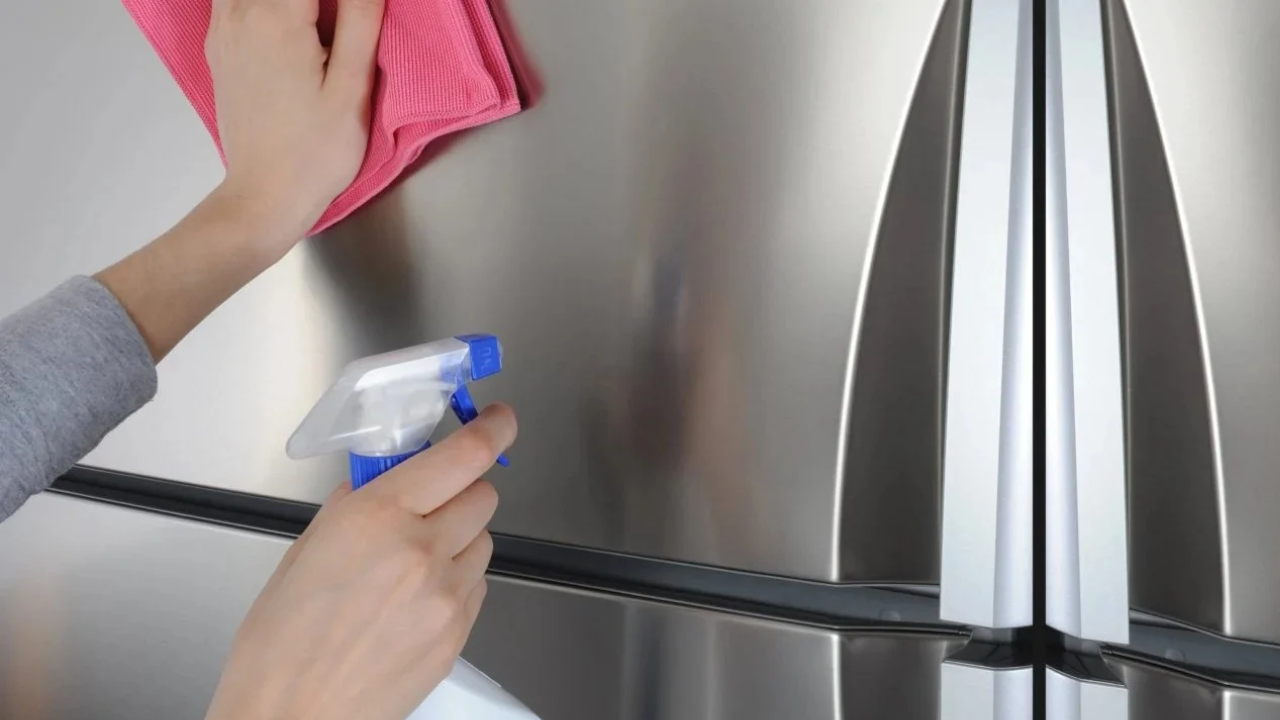
Water and a Microfiber Cloth
The easiest of the waters is plain water. If possible use filtered water so that spots are not left behind by tap water. Make sure that the cloth is damp, then buff it with the grain and buff it dry. This won’t work on all stainless steels, but since there’s no cost, it’s worth a try.
White Vinegar and a Microfiber Cloth
White vinegar is a popular natural cleaner. Dip the cloth in the product, rub in the grain direction and dry immediately. Removes stains and marks. Many home cleaners have found that vinegar hasn’t caused rusting of steel when used like this. If you still don’t know what to do, select another method.
Multi-Surface Cleaner and a Microfiber Cloth
If you want a “no hassle” spray, a “multi surface cleaner” can clean and polish stainless steel in a single step. Spray on the cloth, buff with the grain and buff with a dry cloth.
Other Ways to Clean Stainless Steel Appliances
If the main methods don’t work for you, then use these.
- Club soda: Spray a microfiber cloth then wipe in the direction of the grain.
- Olive oil: A minimal amount onto a dry cloth and buff along the grain. It is best used after cleaning, to give shine. Apply sparingly so that it is not greasy.
How to Remove Stubborn Stains from Stainless Steel
Additional assistance for some marks. These are some quick fixes to try.
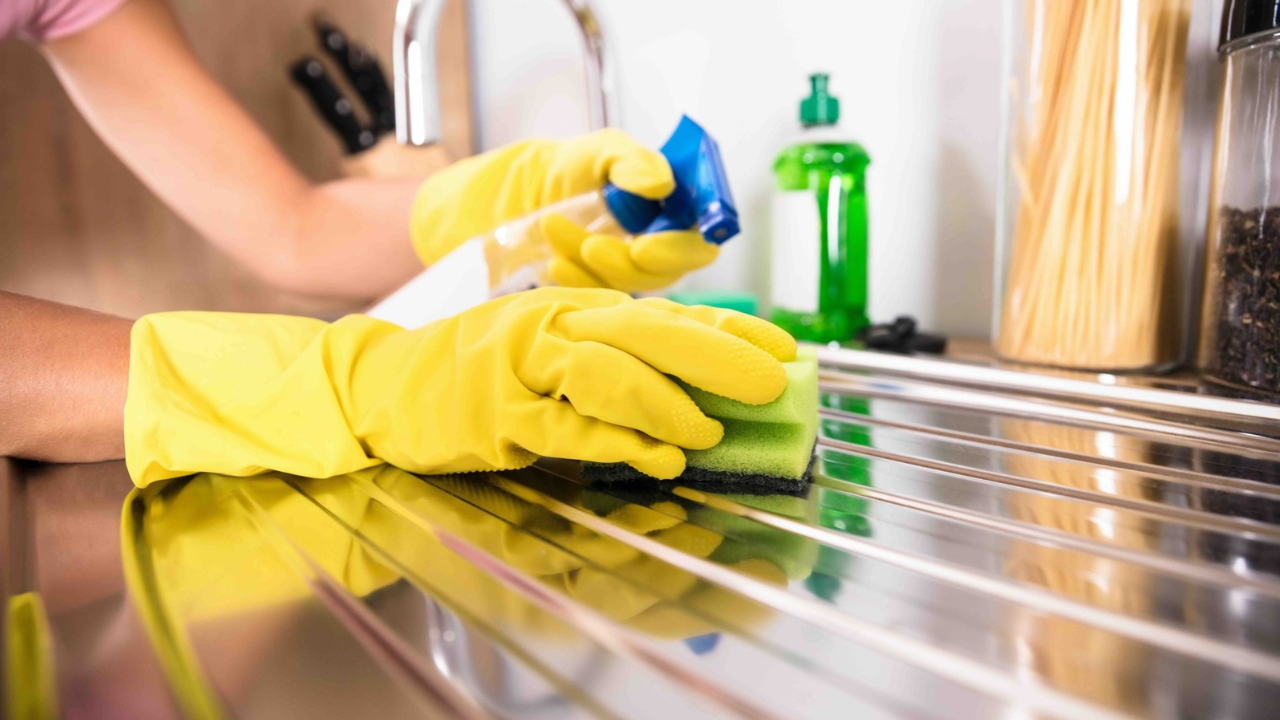
Heat marks: Prepare the mixture of baking soda and water and rub slightly with a soft cloth. This can aid in heat damaged areas.
Water spots: Use a cloth to clean with diluted vinegar, dry thoroughly.
Fingerprints: Buff with clean dry microfiber cloth. This is usually all that is required.
Don’t use abrasive cleaning agents, steel wool or bleach. They may scratch and mess up the finish.
Final Word
Maintaining the shiny appearance of stainless steel is easy. Wipe with a soft cloth using a cleaner on the cloth and buff dry with the grain. Try each technique in a small, obscure area first, as each brand will vary slightly.
FAQs
1.How to take the fingerprints out of stainless steel?
Moisten a microfiber cloth with a little soapy water or white vinegar. Gently wipe in the direction of the grain and buff with a dry cloth.
2. Can vinegar be used to clean stainless steel appliances?
Yes. White vinegar is great at cleaning smudges, fingerprints and streaks and it doesn’t leave behind any residue. Use on the cloth, not the surface, in the direction of the grain.
3. What should you avoid when cleaning stainless steel?
Don’t use abrasive cleaners, steel wool or bleach. Are capable of scratching the steel and compromising its appearance.
4. What causes the streaks on my stainless steel?
Typically streaks result from excessive amounts of cleaner spray or from wiping against the grain. Apply the product to the cloth, work the product with the grain and buff dry immediately.
5. How do you get water spots off stainless steel?
Use a cloth to wipe down area with diluted white vinegar, working with the grain. Dry and buff immediately to prevent new spots from being formed.
Read More: Techsslaash com: Traffic, DR and Honest Review 2026
