
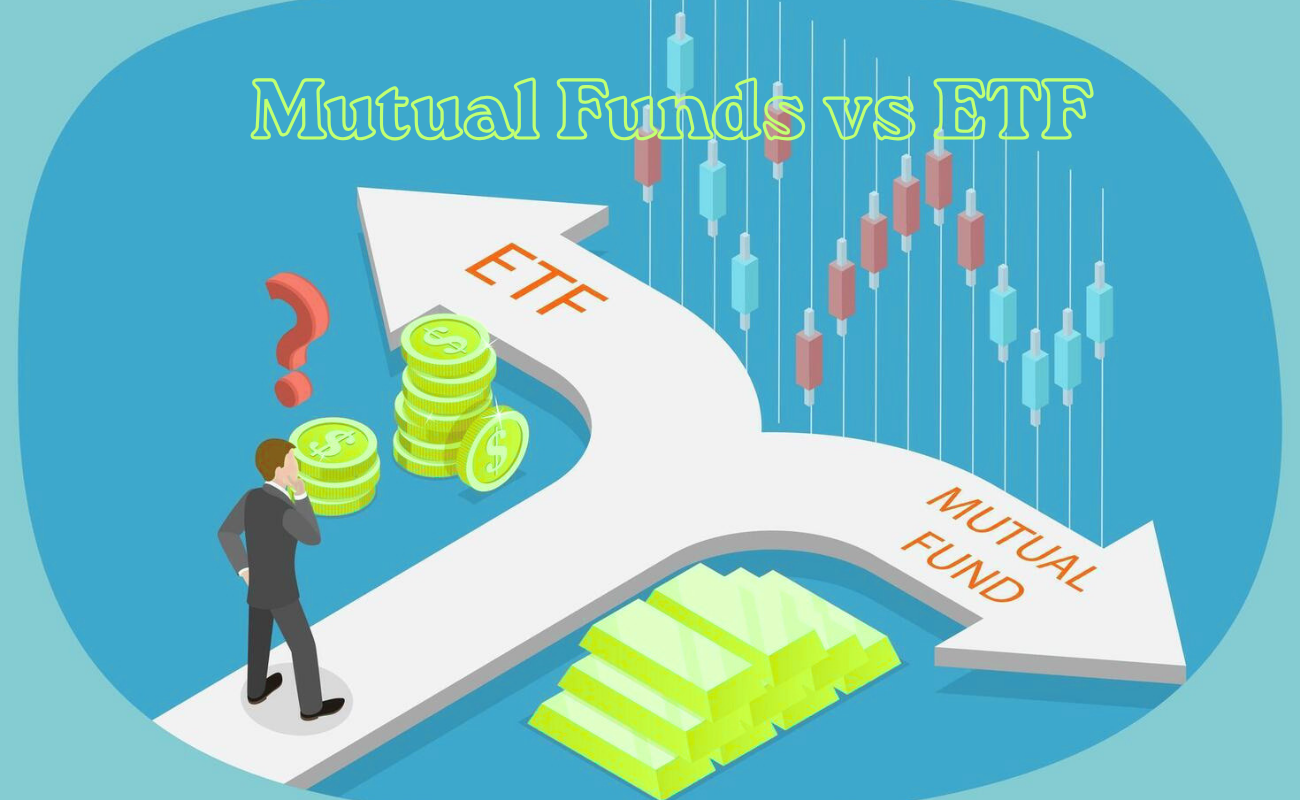
Many new investors face the dilemma of mutual funds vs ETF when they invest. Pool funds from numerous individuals to purchase stocks, bonds, or other assets, but they are different in terms of trading, price and taxation.
Familiarizing yourself with these differences can help you choose the option that best suits your goals, budget and investing style. Gain understanding of the attributes of these funds, how they compare, and which might be better for you so you can invest with confidence.
What is a Mutual Fund?
A mutual fund pool funds many investors and invests in various stocks, bonds, or other securities. The contents of the fund are determined by a manager or by a set of rules. Investments are not bought when a fund is invested; rather, shares of the fund are purchased.
Mutual funds have been available since the 1920s and are favoured for long-term or retirement objectives. They can be purchased via a brokerage firm, a financial professional or directly from the fund company.
What Are ETFs?
An exchange-traded fund (ETF) is another type of fund that’s made up of a basket of investments. There is one major difference, that is the trading place. ETFs are traded on exchanges, like a stock, and can be purchased through a broker. While the majority of ETFs track an index (S&P 500), there are actively managed ETFs as well. ETFs were introduced in the 1990s and focus on stocks, bonds and a variety of other assets.

Similarities Between ETFs and Mutual Funds
There are a lot of similarities between ETFs and mutual funds. Both will allow you to invest in multiple investments at one time, thus helping to spread out the risk of putting all your eggs in one basket. These can both be kept in most brokerage and retirement accounts. They are both charged continuous fees, both increase and decrease in line with the market. Neither assures any profit, and you can lose money.
Organize and Communicate Style
The majority of mutual funds are actively managed, meaning that they are managed by a fund manager who will select investments to outperform the market. Others are index funds that just track a benchmark. ETFs are on the opposite end. Most track an index and very little changes; this makes them simple and often less expensive. Shares in the ETF are created and redeemed by large companies; investors dealing with the exchange day-to-day trade shares.
Read Also: BUMS Full Form in Medical: What it Actually Means in Medical Path
Trading and Pricing
It’s here when they feel the greatest distance between them. ETF prices are constantly moving throughout the trading day and you can trade at any time and take advantage of features such as limit orders. Mutual funds have different workings. Orders can be placed at any time, but are only processed at the fund’s net asset value (NAV) which is calculated at the end of the trading day. ETFs offer a quick control if you prefer to do that.
Costs and Fees
Many of the ETFs come with very low expense ratios, particularly those that follow broad indexes. Mutual funds that are actively managed typically have higher costs, some of which may include loads or marketing fees. However, there are numerous index mutual funds that are equally low in cost as ETFs. The bid-ask spread for ETFs could be as small as a couple of dollars, and some brokers have commissions. Mutual funds may have a minimum investment of $1,000 or higher, whereas ETFs give you the option to make the investment of just one share.
Tax Efficiency
Taxes are not only a factor in a taxable account; they can be a factor in a regular account. If the mutual fund manager sells a share at a profit, the mutual fund shares the gains with the shareholders, and you are liable to tax even if you didn’t sell the shares. This is generally not the case for ETFs, as these are generally not created and redeemed through shares, which leads to fewer taxable gains. This difference is less significant in a retirement plan, such as an IRA or 401(k plan, because you don’t pay taxes on any gains that occur during the plan’s lifetime.
Mutual Funds vs ETF: Which is Better?

No one is the winner. ETFs are good for those seeking affordable prices, flexibility, and tax efficiency. Mutual funds are a great choice for those who wish to invest in the funds automatically each month, or invest in a single fund and hold on to it for the long-term. Consider some aspects such as your budget, your goals, and how many times you intend to trade. Discuss with a licensed financial advisor. This article is meant for information only and not for financial advice.
FAQs
1.What is the main difference between ETFs and mutual funds?
ETFs are available to trade on stock exchanges throughout the day at varying prices. Mutual funds are priced once a day after the market closes. This will impact your buying or selling speed and your selling price.
2.Are ETFs more affordable than mutual funds?
Often, yes. There are numerous ETFs that follow a particular index with a low expense ratio. Some index mutual funds, however, are low cost.
3.Is an ETF or mutual fund a more efficient way to invest?
ETFs usually are. They are often not as capital gains friendly as their creation and redemption process restricts the capital gains payout.
4.Which is better: an ETF or a mutual fund for beginners?
Both can work. ETFs are inexpensive and easy to trade and mutual funds allow monthly investing without a lot of work.
5.Is there a minimum requirement for investing in mutual funds?
They do, and they can be thousands of dollars! Typically, there’s no minimum, except the minimum price of one share.
Read More: Client Relationship Partner: Role, Responsibilities, Salary & Career Guide
