
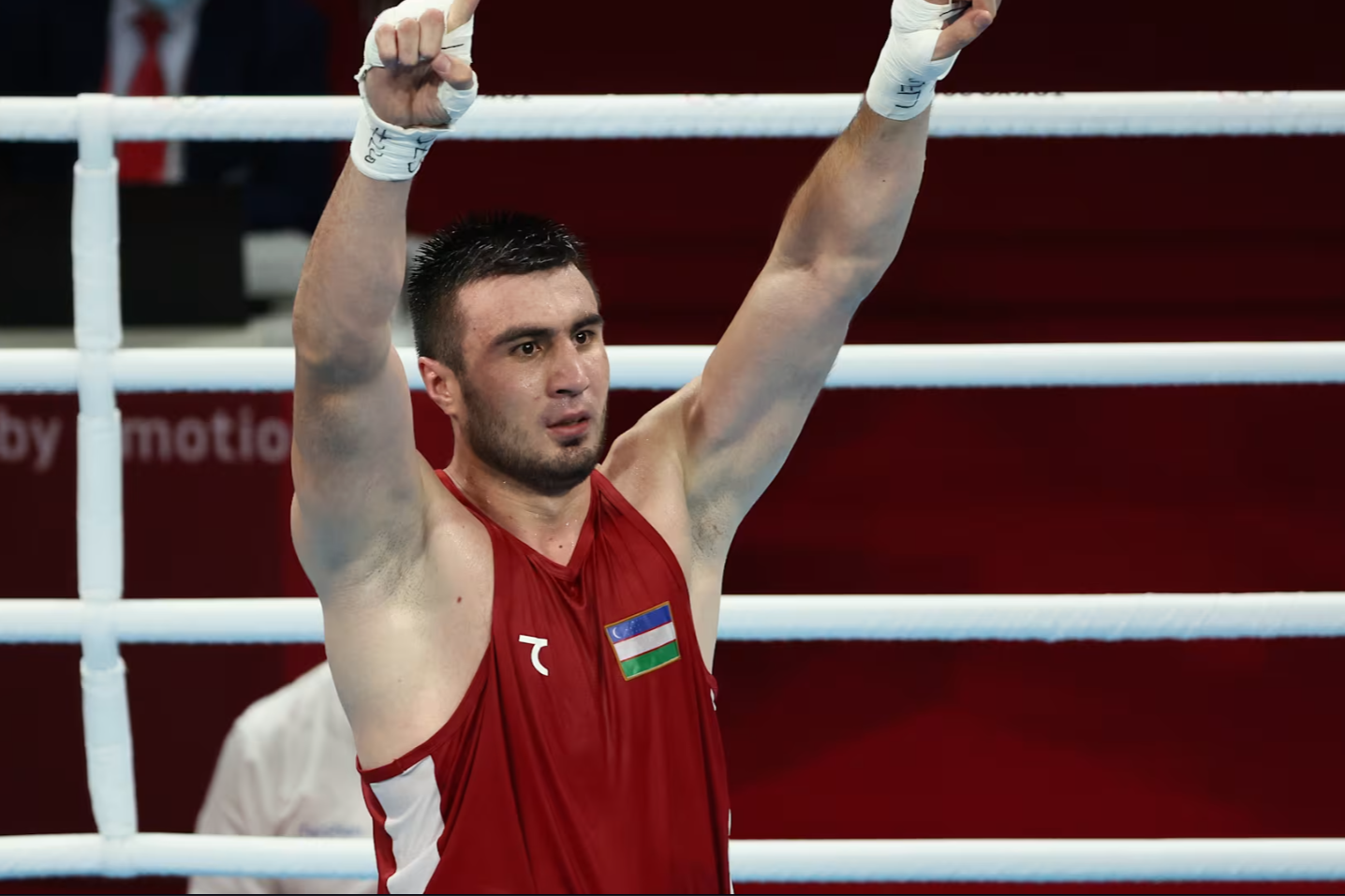
Central Asia has always understood combat. Long before modern sporting structures arrived, the cultures of this region developed and celebrated fighting disciplines that tested physical courage, technical skill, and competitive resilience in ways that reflected deeper values about strength, honor, and individual excellence. Uzbekistan sits at the heart of this tradition — and what the country has built within contemporary combat sports represents one of sport’s most compelling national development stories.
db bet follows Central Asian combat sports with genuine analytical depth, recognizing that Uzbekistan’s emergence as a global fighting nation represents far more than isolated individual success. The pathway from uzbekistan wrestling champion traditions through amateur boxing excellence into the professional box pro landscape — boxing uz athletes navigating international competitive structures — tells a story about cultural sporting identity meeting systematic modern development in ways that produce extraordinary competitive results.
The Wrestling Foundation
Understanding Uzbekistan’s combat sports success requires starting with wrestling — the discipline that established the country’s fighting culture and created the physical and psychological foundation upon which everything built subsequently rests.
Uzbek wrestling traditions predate modern sporting structures by centuries. Kurash — traditional Uzbek belt wrestling — has been practiced across the region for over three thousand years, developing in communities where physical strength and combat skill carried genuine practical significance beyond competitive entertainment. This isn’t historical curiosity. It’s active living tradition that continues producing athletes with foundational grappling qualities that translate powerfully into modern combat sports.
The physical demands of traditional wrestling develop specific qualities — explosive hip power, balance under pressure, spatial awareness during physical confrontation, and the specific psychological composure that genuine combat competition requires — that boxing coaches across Uzbekistan consistently identify as the foundational gifts their best athletes arrive carrying from wrestling backgrounds.
Soviet-Era Infrastructure: The Legacy That Remains
Uzbekistan’s combat sports excellence cannot be fully understood without acknowledging the Soviet athletic development infrastructure that shaped the region’s sporting culture across decades and whose institutional echoes continue influencing how champions are produced today.
Soviet sports science approached athletic development with systematic intensity that few national systems have matched before or since — identifying talented children early, providing comprehensive development environments, and applying scientific preparation methods that produced Olympic champions across multiple combat sports disciplines simultaneously. Uzbekistan existed within this system, absorbing development methodologies that became embedded in local coaching culture even after the Soviet Union’s dissolution.
The specific boxing development infrastructure — clubs, coaching education, competition structures, scientific preparation methods — built during the Soviet era didn’t disappear after independence. It transformed, adapted to new national contexts, and ultimately became the foundation upon which independent Uzbekistan built its remarkable amateur boxing program that would eventually produce professional champions recognized globally.
Amateur Boxing Excellence: The Olympic Story 🥊
Uzbekistan’s transition from wrestling nation to genuine boxing superpower accelerated through Olympic competition — the quadrennial showcase where the country’s amateur boxing development became visible to global audiences who hadn’t previously tracked Central Asian combat sports development.
The Tokyo 2020 Olympics represented a watershed moment. Uzbekistan’s boxing team produced three gold medals — Bakhodir Jalolov at super heavyweight, Bahodir Jalolov, Muslim Gadzhimagomedov, and Shakhobidin Zoirov contributing to a national haul that placed Uzbekistan among the world’s elite boxing nations by any reasonable measurement. For a country of thirty-five million people to dominate Olympic boxing against nations with dramatically larger population bases and longer established boxing traditions reflected development quality that demanded serious analytical attention.
These weren’t fortunate clustering of naturally gifted athletes. They were products of a systematic development approach combining the physical foundation that wrestling culture provides with technical boxing coaching of genuine international quality — creating fighters whose combination of raw athleticism and refined technique proved extraordinarily difficult for opponents from any nation to handle.
Bakhodir Jalolov: The Symbol of Uzbek Boxing 🌟
No individual better represents Uzbekistan’s boxing journey than Bakhodir Jalolov — a super heavyweight whose amateur dominance and subsequent professional development has made him the most visible symbol of what Uzbek boxing can produce at its absolute best.
His amateur record — including back-to-back Olympic gold medals across Rio 2016 and Tokyo 2020 in different weight categories — reflects sustained excellence across the full amateur competitive cycle that identifies genuinely elite talent rather than momentary competitive peaks. Olympic gold at super heavyweight, the division that traditionally attracts boxing’s physically most imposing athletes, requires defeating opponents whose size advantages can overwhelm technically superior but physically inferior competitors — making Jalolov’s dominance particularly meaningful.
His professional transition — becoming a box pro operating within the international heavyweight boxing landscape — brought immediate credibility and significant commercial attention to what Uzbekistan’s boxing development system had produced. Unbeaten professional records built against increasingly serious opposition represent the ongoing validation of amateur excellence translating into professional capability.
The Professional Pathway: Box Pro Challenges
The transition from amateur boxing excellence to professional success represents one of sport’s most challenging developmental leaps — and understanding this transition is essential for appreciating what Uzbek fighters navigating the box pro landscape actually face when they make that career-defining step.
Amateur and professional boxing operate under genuinely different rules that advantage different fighting styles in ways that regularly surprise athletes whose amateur excellence doesn’t automatically translate into immediate professional success. Headguard removal changes the risk calculation for aggressive exchanges. Longer rounds — three minutes rather than two — reward fighters with superior conditioning and the ability to pace efforts across extended competitive demands that amateur formats don’t replicate.
Uzbekistan’s professional boxing development has increasingly focused on managing this transition intelligently — building professional records against opposition that develops specific skills while protecting developing fighters from premature exposure to elite professional competition before they’re genuinely ready.
Boxing Uz: The National Ecosystem
The boxing uz designation — Uzbekistan boxing in its complete national expression — encompasses far more than individual champions. It describes a complete ecosystem of clubs, coaches, competitions, and development pathways that produces fighters across all weight categories simultaneously rather than relying on isolated individual excellence.
Regional boxing clubs across Tashkent, Samarkand, Namangan, and Fergana collectively identify and develop talent that feeds into national team structures. This geographic distribution ensures the talent pipeline doesn’t depend entirely on capital city resources — drawing from the full population base across a country whose diverse regional cultures all maintain genuine connection to combat sports traditions.
National championships provide essential competitive proving grounds — intense domestic competition ensuring that fighters representing Uzbekistan internationally have already navigated high-pressure competition against opponents who know their tendencies and actively seek to exploit technical limitations before international rivals have the opportunity to do so.
The Coaching Infrastructure 🎯
Behind every uzbekistan wrestling champion turned boxer and every box pro success story stands coaching infrastructure that deserves specific analytical attention. Uzbekistan’s boxing coaches combine technical knowledge developed across decades of Soviet-era scientific preparation with contemporary international coaching exposure that keeps development methodologies current rather than relying on historical approaches that other nations have surpassed.
Head coaches who have guided Olympic champions bring specific credibility — their methods validated by results that the sport’s most demanding competitive environment confirms rather than merely domestic success suggests. International coaching exchanges, attendance at global coaching education programs, and exposure to development approaches from Cuba, Russia, and Western European boxing nations have kept Uzbekistan’s coaching culture dynamically evolving.
The specific coaching knowledge for managing wrestler-to-boxer transitions — understanding which physical qualities transfer immediately versus which boxing-specific skills require extended development — represents institutional knowledge accumulated across multiple generations of athletes making exactly that developmental journey.
International Competition and Recognition 🌍
Uzbekistan’s boxing credentials extend beyond Olympic competition into World Championship results, Asian Games dominance, and increasingly the professional rankings that determine international commercial boxing’s competitive hierarchy.
AIBA World Championship performances across multiple editions have confirmed that Olympic success wasn’t tournament-specific fortune — Uzbek fighters demonstrating consistent excellence across the full amateur competitive calendar that serious development programs require as validation beyond quadrennial Olympic peaks.
Asian Games boxing competition — where Uzbekistan regularly competes for gold medals across multiple weight categories simultaneously — provides regional dominance evidence that complements global championship performance. Dominating Asian competition while simultaneously competing for world championship medals reflects genuine depth rather than regional specialization that struggles to translate into global competitive success.
What Comes Next
Uzbekistan’s combat sports trajectory points toward continued and potentially expanded global presence — deeper professional boxing development, sustained amateur excellence, and growing MMA representation collectively creating one of Central Asia’s most significant sporting stories across coming decades.
The development infrastructure is in place. The coaching knowledge is accumulated and continuously refined. The cultural foundation — wrestling traditions meeting modern boxing excellence — creates athlete pipelines that other nations cannot replicate simply through financial investment alone.
What Uzbekistan has built in combat sports reflects something that the best national development stories always demonstrate — sustainable excellence emerging from genuine cultural connection to competitive disciplines rather than manufactured sporting infrastructure chasing medal counts without deeper roots.
The fighters coming through Uzbekistan’s development system today carry that heritage into professional rings and international competitions where their performances will continue writing a national combat sports story that deserves far wider global recognition than it has yet received.
