
In case you have just encountered the term Auctane Shipstation on a shipping label, tracking page, or invoice, you may be wondering what it is. In simple terms, Auctane Shipstation is a well-known shipping and order management system based on the cloud that is utilized by both small and large ecommerce enterprises. It assists sellers with order management, shipping labels, carrier rate-comparisons, workflow automation, and sending tracking data all on a single dashboard.
In this article, we are going to tell you just what it is, how it works, who uses it, and why you may find it on a package or billing statement.
Auctane and ShipStation: What’s the Relationship?
The name might be strange to the consumers but the history behind Auctane Shipstation is simple. ShipStation began as a shipping software of its own that was created to make fulfilling online orders easier. With time, Auctane, an international business specializing in ecommerce software logistics, has become the parent brand that currently owns and develops ShipStation and other shipping solutions.
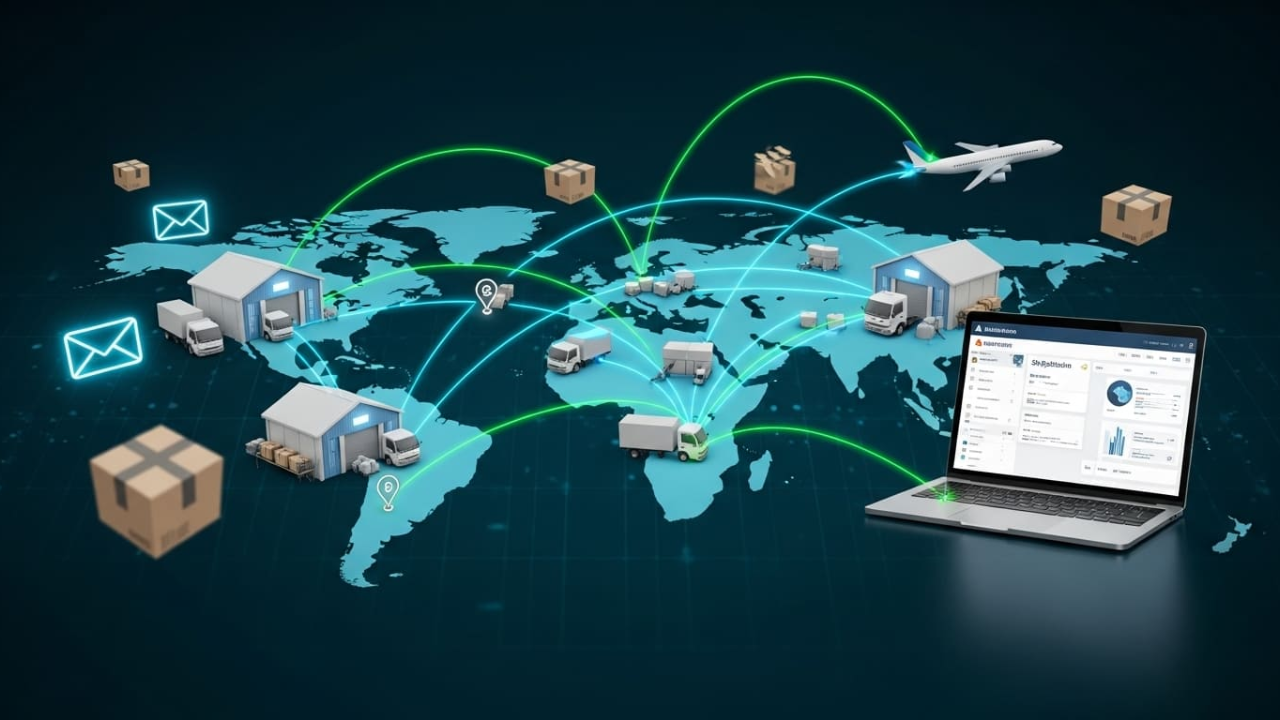
Nowadays, you will frequently find the name Auctane ShipStation in labels and tracking emails since ShipStation is now run under the Auctane brand, although the same shipping functionality is still being used that it has been using all along.
How Auctane Shipstation Works: Step-by-Step
Auctane Shipstation is created to automate and simplify shipping processes of ecommerce sellers. Here’s how it typically works:
1. Automatic Importation of Orders
Once an order is made by a customer in such platforms as Shopify, Etsy, Amazon, or eBay, it is automatically imported into the ShipStation dashboard. Sellers do not need to log in into the marketplaces individually to track shipments.
2. Every Order Is Displayed In A Single Dashboard
There is no need to balance between several log-in screens, but all the orders of all the sales channels are displayed in one convenient location. The sellers are able to know what is to be fulfilled without having to make system changes.
3. Compare Carriers and Shipping Rates
ShipStation integrates with major shipping companies such as USPS, UPS, FedEx, DHL and others that enable sellers to compare real-time shipping rates before they print labels. This provides the small businesses with negotiated rates and assists in cost reduction.
4. Print Labels in Bulk
Bulk shipping label is one of the most helpful features of ShipStation. Hundreds or even thousands of orders can be batched through the sellers, which saves time and also reduces errors.
5. Automatic Tracking and Notifications
As soon as orders are shipped, updates about the tracking are automatically provided to the customers and marketplaces. Branded emails make buyers aware and assist in enhancing post purchase communication.
Key Features of Auctane Shipstation
The following are the key advantages that have made Auctane Shipstation very popular among ecommerce companies:
- Multi-Channel Order Management – Consolidate orders in dozens of marketplaces into a single platform.
- Discounted Shipping Rates- Get the best carrier rates in real time.
- Shipping Automation Rules – Automate routine processes such as choosing packaging, giving services, and making notifications.
- Branded Tracking Pages – Customers view your branding when they are on the post purchase tracking process.
- Returns Management – Streamline customer returns with integrated tools.
These characteristics provide the sellers with a strong set of tools to handle logistics without the necessity to have advanced technical expertise and costly systems.
Who Uses Auctane Shipstation?
Auctane Shipstation serves a large variety of ecommerce sellers, including:
- Small startups who want to save time on shipping activities.
- Expanding ecommerce companies that process orders in various sales channels.
- Large-volume sellers that require high automation, shipping volume and complex workflows.
ShipStation can offer solutions to all levels of sellers, starting with home-based shops and up to established online sellers.
Why Your Package Might Say “Auctane Shipstation”
In case you noticed Auctane Shipstation on your tracking detail or shipping label, you need not worry that your order has been delivered by a company named Auctane. It only means that the seller was using ShipStation software to deliver the shipment.
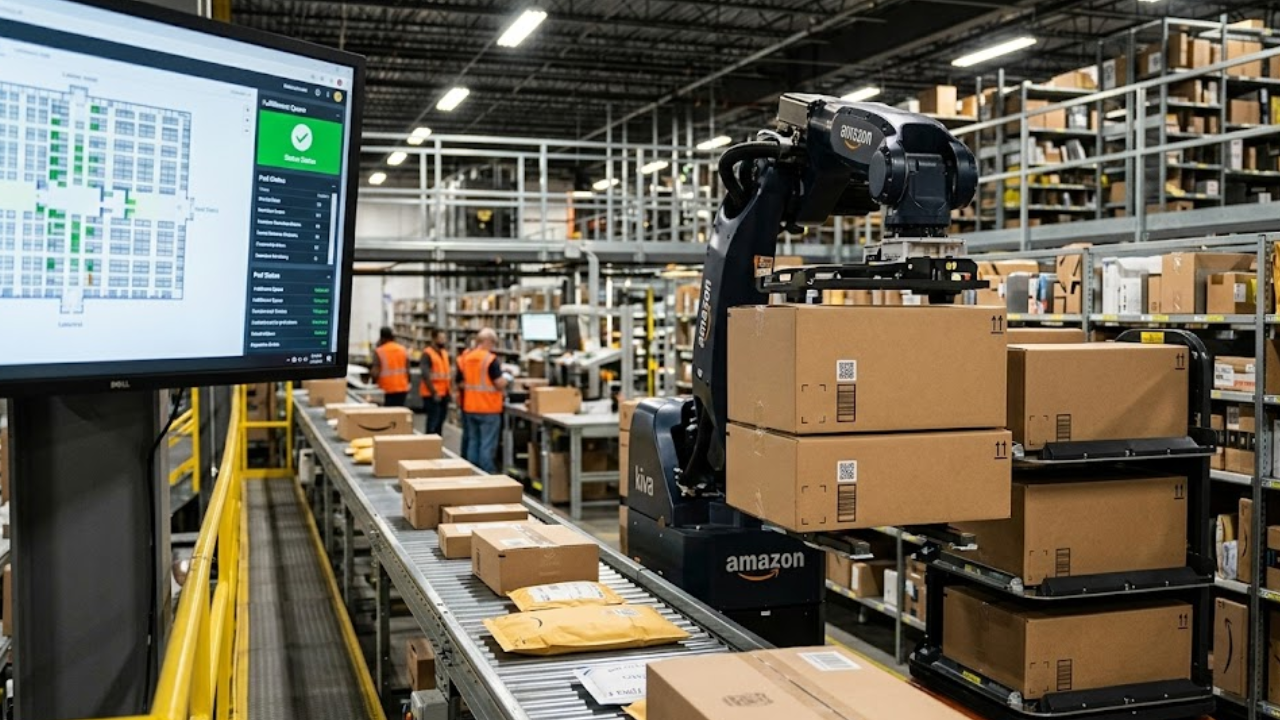
Most ecommerce companies do not alter the default description of shipping labels, and thus the name of a platform is displayed in the position where a company name should be displayed. The physical delivery of the package is still done by the actual carrier (such as USPS or FedEx).
Read Also: Amazon Vine Login: Complete Guide for Reviewers and Sellers
Auctane Shipstation Pricing
ShipStation has a number of pricing plans that can be used according to the shipping volume and business requirements. Simple plans begin with a low monthly fee and expand to higher plans of bigger sellers. The plan level offered typical features of discounted carrier rates, multiple store connection, automation tools, and increasing user access.
Final Word
Shipping software such as Auctane Shipstation is very useful in the current ecommerce environment as it assists online sellers to control cost, speed, and customer experience. ShipStation makes shipping easier and allows a casual and a growing brand to focus on sales and less on shipping.
FAQs
1. What is Auctane Shipstation on a package?
It refers to the seller having used ShipStation software which is owned by Auctane to create the shipment label.
2. Is Auctane Shipstation a shipping carrier?
No, it’s shipping software. The real delivery is carried out by such carriers as USPS, UPS, or FedEx.
3. Can I refuse a package labeled “Auctane Shipstation”?
No, you may reject the carrier delivery in case you do not want to have the shipment.
4. Is Auctane Shipstation secure and valid?
Yes, it is very popular among ecommerce firms across the globe and is a reliable shipping and order management platform.
5. Is Amazon an Auctane Shipstation customer?
ShipStation is not run by Amazon itself, but is a popular fulfillment tool of various third-party sellers on Amazon.
Read More: Mastering Consumer Behavior: Exploring Three Key Phases of the Impulse Purchase Cycle
