
If you sell food in India, whether it is samosas from a roadside stall, cakes from your home kitchen, or packaged snacks from a factory, there is one government portal that controls your legal permission to operate. It is called Foscos, and it is the online face of the Food Safety and Standards Authority of India, better known as FSSAI. This article explains what Foscos actually does, why it matters, and how you can use it without getting lost in government jargon.
What Exactly Is Foscos?
Foscos is just short for Food Safety Compliance System. It is the online portal that FSSAI launched on the first of June in 2020. Before this came along, there was an older system called FLRS which had been running since 2011. That old system did its job for a while, but after nearly a decade and over 70 lakh licenses issued, it started feeling slow and outdated. FSSAI, which works under the Ministry of Health and Family Welfare, decided it was time for something better. That something better was Foscos.
Think of it this way. If you want to drive a car, you need a license from the RTO. If you want to sell food, you need a license from FSSAI. And Foscos is the online counter where you apply for it.
Does This Really Apply to You?
Yes, it probably does. People often think FSSAI is only for big companies or fancy restaurants. That is completely wrong. If you are making money from food in any way, you need to register. Your small tea stall on the corner needs it. Your home baking business that takes orders on WhatsApp needs it. Your grocery shop that sells packaged biscuits needs it. Cloud kitchens, caterers, dairy units, meat shops, sweet shops, food importers, exporters, and even those Instagram pages selling homemade chocolates, all of them need to be on Foscos.
The rule is simple. If you manufacture, process, store, distribute, sell, or import food for business, you cannot skip this.
What Can You Actually Do There?
The whole point of Foscos was to stop people from running around government offices with folders full of paper. Now you sit at home and do everything online. You can apply for a new license when you are just starting out. You can renew your old one before it expires. If you move your shop to a new address or start selling a new type of food product, you can apply for a modification. You can check whether the food safety officer has visited your place yet. You can see if your file is approved or if they need more documents. And once everything is done, you download your certificate and print it.All of this happens on one website. No middlemen needed, at least not officially.
Read Also: Most Difficult Exam in India: Which One Really Takes the Crown?
The Three Types of Licenses
Not everyone gets the same license because not everyone runs the same kind of business. Foscos divides things into three buckets.
If your annual turnover is less than 12 lakh rupees, you fall under Basic Registration. This is for the small players. Your roadside snack vendor, your home baker, your tiny kirana shop that sells chips and cold drinks. It costs the least and involves the least paperwork.
If you make between 12 lakh and 20 crore rupees a year, you need a State License. This covers most restaurants, bakeries, medium sized manufacturers, and storage units that operate within one state.
If your turnover crosses 20 crore rupees, or if you import food, export food, run an e commerce platform selling food, or operate across multiple states, you need a Central License. Your head office usually gets this one, and your branches in different states might need separate state licenses on top of that.
When you apply, you can choose how long you want the license to last. It can be anywhere from 1 year to 5 years. The fee changes depending on the duration, so if you can afford it, getting a longer license means less frequent renewal headaches.
What Papers Do You Need?
The documents sound scary when you list them out, but most of them are things you already have. For any application, you need a government ID like your Aadhaar, PAN, voter ID, or driving license. You need a passport photo of yourself. You need proof that you actually have a business premises, so a rent agreement, electricity bill, or property tax receipt works. You also need to tell them exactly what kind of food you plan to handle.
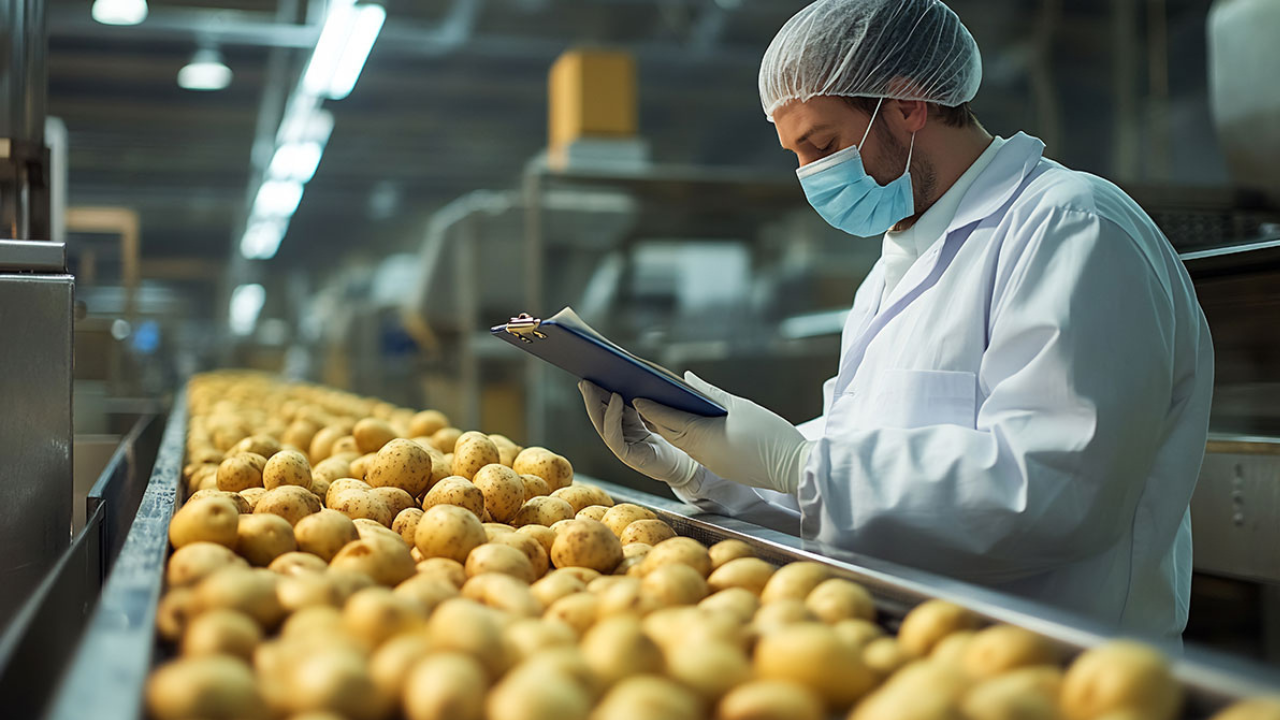
Now if you are going for a state or central license, they ask for more. You might need a layout plan of your kitchen or factory, a list of your equipment, a water test report to prove your water is safe for food preparation, a food safety management plan, an NOC from your local municipality, and your business registration papers like a partnership deed or certificate of incorporation.
The good news is you just scan these and upload them. No standing in queues with physical files.
How to Apply Without Losing Your Mind
Let me walk you through it. Open your browser and go to foscos.fssai.gov.in. Do not go through some random agent website that promises to do it for you and then charges triple. The official site is free to use except for the actual government fee.
Click on apply for new license or registration. Create your account with an email and password. Pick the license type that matches your turnover. Fill in every detail carefully. Upload your documents. Pay the fee online. Submit. You will get a reference number. Write it down somewhere safe because you need it to log back in and check your status.
That is honestly all there is to it. The waiting part is where most people get anxious, but you can track everything live on the portal.
Do Not Forget About Renewal
Your license is not permanent. When it is about to die, you have to renew it. The smart move is to apply for renewal at least 60 days before the expiry date. If you miss that but apply within 30 days after expiry, you can still save it but you will pay a late fee. If you let more than 30 days pass after expiry, your license is dead. Finished. You have to start the entire application from scratch as if you never had one. So set a reminder on your phone. Seriously.
Why Is This Better Than Before?
The old FLRS portal worked, but it was clunky. Foscos is cleaner and faster. FSSAI also launched a mobile app called FoSCoRIS that food safety officers use to do digital inspections. They visit your shop, check things on their phone, and upload the report directly into the system. No more wondering whether the officer actually filed your report or not.
They are also planning to connect Foscos with other FSSAI systems in the future, so everything becomes even more seamless.
If You Get Stuck
Government websites can be confusing, no doubt. If you hit a wall, call the toll free number 1800112100. It actually works. You can also email helpdesk-foscos@fssai.gov.in. FSSAI keeps warning people about fake websites and agents who charge extra for no reason, so stick to the official channels.
Why Should You Care?
Here is the thing. That 14-digit FSSAI number you get after approval is not just a piece of paper to frame and hang on your wall. It tells your customers that you care about safety. It tells the government that you are operating legally. And if someone gets sick after eating your food and blames you, having a proper license shows you were following the rules.
Foscos makes all of this possible from your living room. You do not need to bribe anyone. You do not need to take a day off work to visit an office. You just need a few documents, a working internet connection, and about an hour of your time.
So if you are running a food business and you have been putting this off, stop delaying. Get your documents ready, visit foscos.fssai.gov.in, and get yourself legal. Your business will thank you for it.
Read More: Why Is Pure Acetic Acid Often Called Glacial Acetic Acid?
