
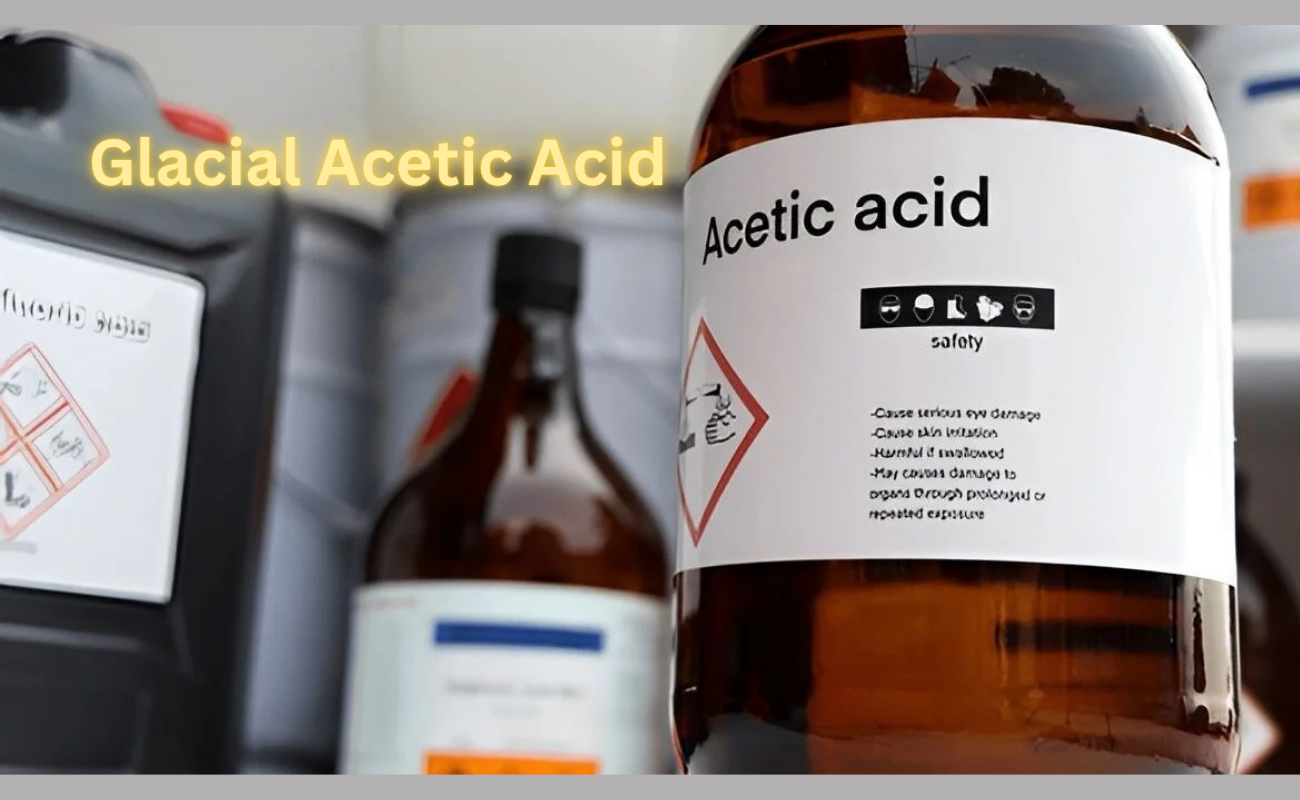
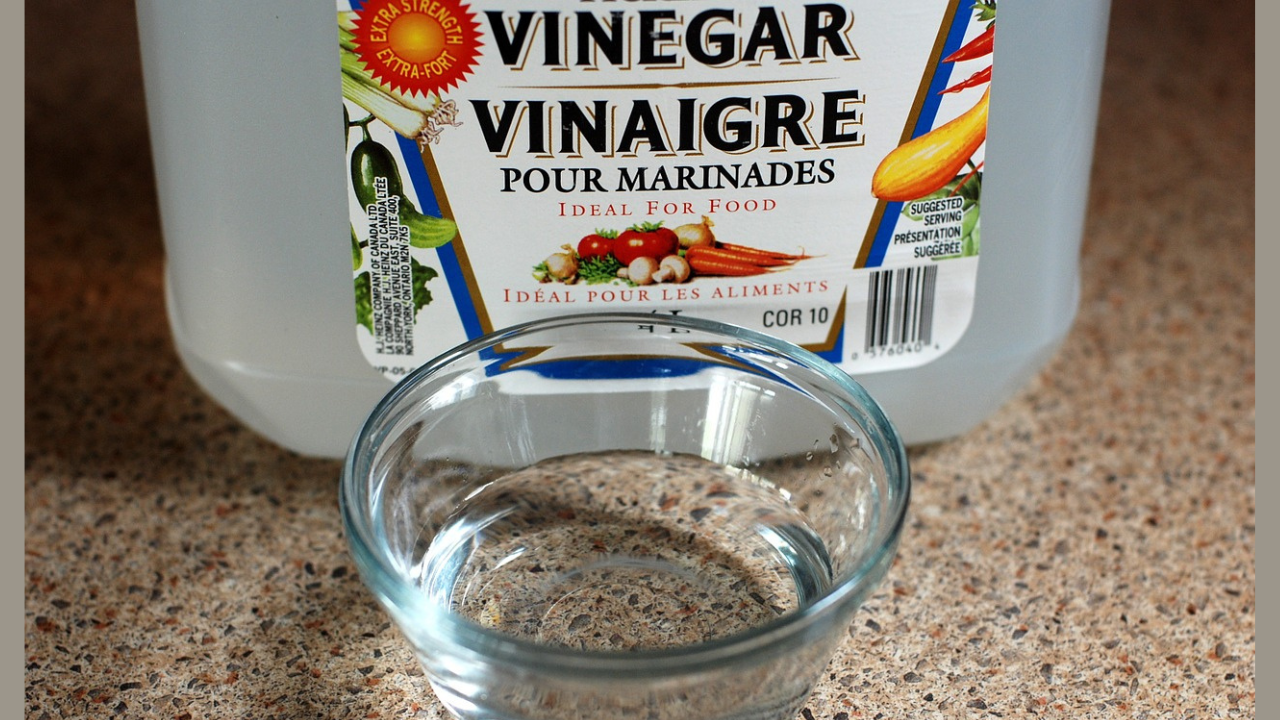
If you have ever opened a bottle of vinegar in your kitchen, you have already met acetic acid. That sharp sour smell and tangy taste come from acetic acid mixed with water. Regular vinegar only has about four to five percent acetic acid. The rest is mostly water. But when chemists talk about pure acetic acid, they do not just call it pure acetic acid. They give it a much stranger name. They call it glacial acetic acid. Why glacial? What does a chemical have to do with ice and glaciers? The answer is actually simple and it has everything to do with how this stuff behaves when it gets cold.
What Is Pure Acetic Acid Anyway?
Pure acetic acid is exactly what it sounds like. It is acetic acid without almost any water mixed in. When chemists say pure, they mean really pure. Usually it is about 99.5 percent pure or even higher. Because there is almost no water in it, this pure form acts very differently from the vinegar sitting in your kitchen cabinet.
Most people think acids are just liquids that stay liquid no matter what. But pure acetic acid breaks that rule. It has a freezing point of about 16.6 degrees Celsius. If you work better with Fahrenheit, that is roughly 62 degrees. That is only a little bit below normal room temperature. So on a cool day, or in a lab that does not have the heating turned up, pure acetic acid can actually freeze solid.
The Glacier Connection
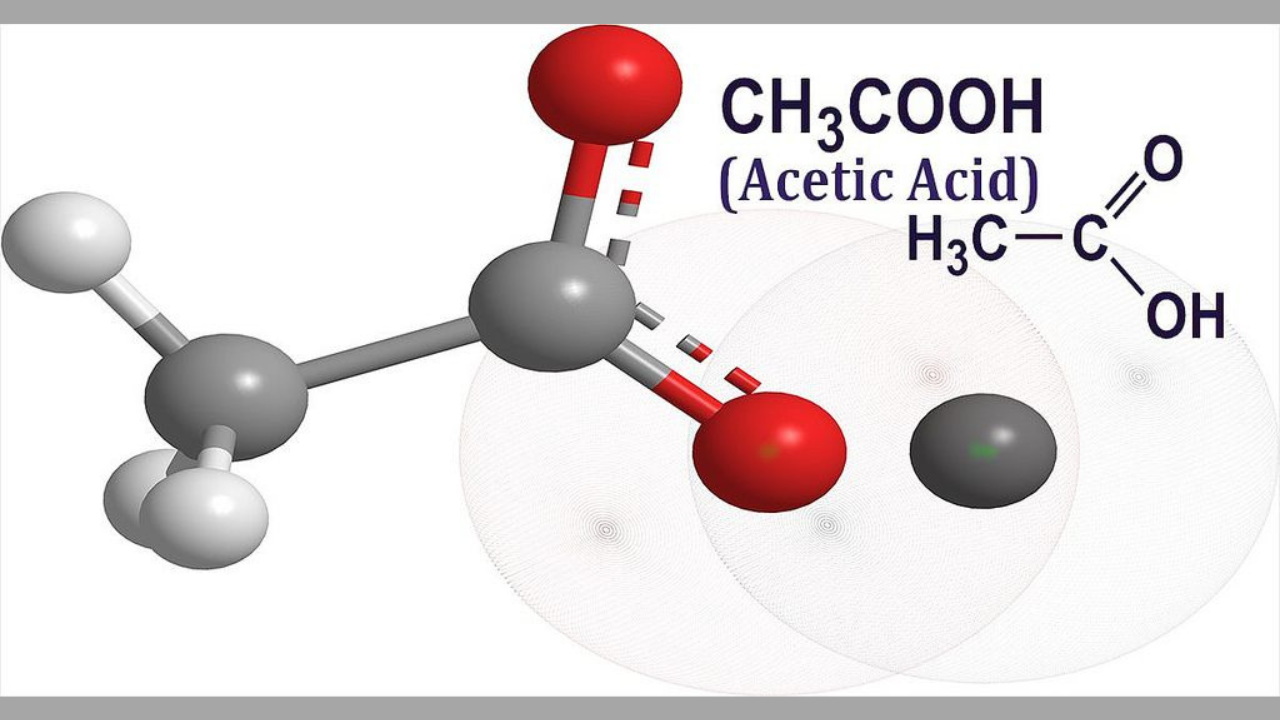
Here is where the name comes from. When pure acetic acid freezes, it does not turn into some weird mush. It forms clear, solid crystals that look exactly like ice. If you leave a bottle of pure acetic acid in a cold room overnight, you might come back the next morning to find it looking like a tiny glacier trapped inside the glass. Those crystals that look like ice, floating in the liquid or coating the inside of the bottle, are what gave this chemical its name.
Early chemists working in Europe during the 1700s and 1800s noticed this happening all the time. Their labs were often cold in winter, and they would routinely find their bottles of concentrated acetic acid frozen into these glassy masses that looked like ice. The resemblance to glacial ice was so obvious that the nickname stuck. Some sources even trace the formal name back to Latin phrases used by chemists in those days.
The German language has a similar name for it too. They call it Eisessig, which literally means ice vinegar. So this idea of comparing pure acetic acid to ice is not just an English thing. Scientists across different countries noticed the same visual similarity and came up with names that described exactly what they saw.
Read Also: Most Difficult Exam in India: Which One Really Takes the Crown?
The Supercooling Surprise Beyond it
Here is something that makes the story even more interesting. Pure acetic acid does not always freeze right away when it gets cold. It has a habit of supercooling. That means it can sit below its freezing temperature and still stay liquid for a while. It is almost like the molecules are too lazy to arrange themselves into crystals. But then, if you bump the bottle or drop a tiny crystal into it, the whole thing can suddenly freeze in seconds. It turns from a clear liquid into a solid mass right before your eyes. Anyone who has seen this happen in a chemistry lab will tell you it really does look like a small block of ice forming instantly.
Why Purity Matters So Much
Regular vinegar never freezes into ice-like crystals. The vinegar in your kitchen is mostly water, and that water keeps the freezing point very low. You could put vinegar in your freezer and it would stay liquid for a long time. But pure acetic acid is different. Take away the water, and the freezing point jumps up to that 16.6-degree mark. That is why the purity matters so much.
Even a small amount of water changes how the chemical behaves. Chemists learned long ago that just 0.1 percent water in the mix can lower the freezing point by about 0.2 degrees. So when they wanted the pure stuff, they looked for the acid that would freeze into those crystals around 16.6 degrees. That became their quick and simple purity test before modern machines existed. If it froze into ice-like crystals at the right temperature, they knew it was pure enough.
Is It Safe Like Vinegar?
Glacial acetic acid is not at all safe to eat, although vinegar is. The pure form is corrosive and will burn the skin. This emits strong fumes which can irritate your eyes and throat. Although the name is pretty and it may bring to mind ice glaciers, it is still a serious chemical that should be handled with care in labs and factories. It is used to create things such as plastics, dyes and medicines, but only by people who know how to handle it safely.
Final Word
At the end of the day, the name glacial acetic acid is not some complicated scientific code. It is just an old description based on appearance. Pure acetic acid freezes slightly below room temperature into clear crystals that look like ice. Chemists saw this, thought of glaciers, and named it accordingly. That is the whole story.
Sometimes the best explanations really are that simple. The next time you hear someone mention glacial acetic acid, you will know they are talking about pure acetic acid that looks like ice when it gets cold. No glaciers involved. Just good old-fashioned observation from scientists who noticed something interesting and gave it a name that stuck for hundreds of years.
Read More: Cambro.tv Review 2026: Is It Safe and Still Working?
